The Appalachian Mountains stretch over 2,000 miles across 14 states, from Alabama to Maine, offering dramatically different stay experiences depending on which section you target. Whether you're hiking sections of the Appalachian Trail, exploring historic Virginia towns, or retreating into Kentucky's state parks, finding a well-rated property that actually fits your logistics makes a real difference. This guide breaks down the top-rated hotels across the range - organized by value and positioning - so you can book with confidence.
What It's Like Staying in the Appalachian Mountains
Staying in the Appalachian Mountains means accepting a fundamentally different travel rhythm than city-based trips. Towns are small, distances between attractions can be significant, and car travel is essentially mandatory for most areas - public transit is virtually nonexistent outside a handful of gateway cities like Roanoke or Morgantown. The upside is genuine: quieter nights, direct access to trail systems, and a slower pace that urban hotels simply can't replicate. Visitors seeking detox from city density - hikers, remote workers, couples on weekend getaways - benefit most from basing themselves here. Travelers who rely on walkable dining or nightlife will find the region limiting outside of a few college towns like Lexington, Virginia.
Around 8 million visitors hike portions of the Appalachian Trail each year, which means trail-adjacent accommodations book out weeks ahead during peak foliage and spring wildflower seasons.
Pros:
Direct trail access from many properties, cutting down on drive time before and after hikes
Significantly lower accommodation costs compared to equivalent-quality urban hotels
Genuinely low light pollution and quieter surroundings, especially in Kentucky and West Virginia
Cons:
Limited dining options after dark - many towns have few restaurants open past 9 PM
A personal vehicle is required for nearly all sightseeing and activity logistics
Mobile and internet connectivity can be unreliable in more remote mountain areas
Why Choose Highly-Rated Hotels in the Appalachian Mountains
In a region where accommodation quality varies wildly - from dated roadside motels to well-maintained resort parks - focusing on properties with strong user ratings is a genuinely practical filter, not just a vanity metric. Highly-rated properties here typically outperform on cleanliness and staff responsiveness, two factors that matter more in remote settings where there are no easy alternatives if something goes wrong. Unlike urban hotel markets, Appalachian properties with high ratings often include free parking, free WiFi, and full breakfast, delivering noticeably better value per dollar than comparably rated city hotels. The trade-off is that even top-rated properties in this region tend to be smaller in scale - expect fewer on-site amenities than a comparable-rated urban hotel, with the gap compensated by direct nature access and personal service. Room sizes at well-rated mountain lodges and inns tend to be generous compared to city equivalents, often including seating areas, fireplaces, or private terraces. Budget travelers should note that top-rated options in the Appalachians can cost around 40% less than similarly reviewed hotels in nearby metro areas like Charlotte or Washington D.C.
Pros:
High-rated properties consistently include complimentary parking and WiFi, reducing total trip cost
Stronger staff-to-guest ratios at smaller inns mean faster issue resolution and more personalized service
Many top-rated Appalachian hotels include breakfast or on-site dining, eliminating the need to drive for meals
Cons:
Even well-rated properties may lack on-site fitness centers, spas, or pools found in urban equivalents
High-rated mountain properties book out faster during fall foliage and holiday weekends than their ratings alone would suggest
Some top-rated stays are classified as guest houses or lodges, which may not suit travelers expecting full hotel-format service
Practical Booking & Area Strategy for the Appalachians
The Appalachian range covers multiple distinct clusters worth evaluating separately for trip planning. Lexington and Roanoke in Virginia offer the best combination of historic attractions, trail access, and accommodation variety - with properties within walking distance of sites like Washington and Lee University and the Virginia Military Institute. In Kentucky, the Pine Mountain corridor near Pineville anchors state park-based stays close to the Cumberland Gap. Western Virginia and West Virginia options near Garrett County and Morgantown suit visitors prioritizing access to Seneca Rocks, Blackwater Falls, and whitewater on the Cheat River. For New York's Catskill extension of the broader Appalachian ecosystem, properties near the Catskill peaks serve hikers targeting the Catskill 3500 Club peaks. Book at least 6 weeks ahead for October foliage season - occupancy spikes dramatically and last-minute availability disappears in most small towns. Positioning yourself within 10 kilometers of a major trailhead or state park entrance eliminates significant daily driving and maximizes time on the ground.
Best Value Stays
These properties deliver strong user ratings at accessible price points, making them the practical choice for hikers, road-trippers, and budget-conscious travelers who still want reliable comfort and key amenities across the Appalachian region.
-
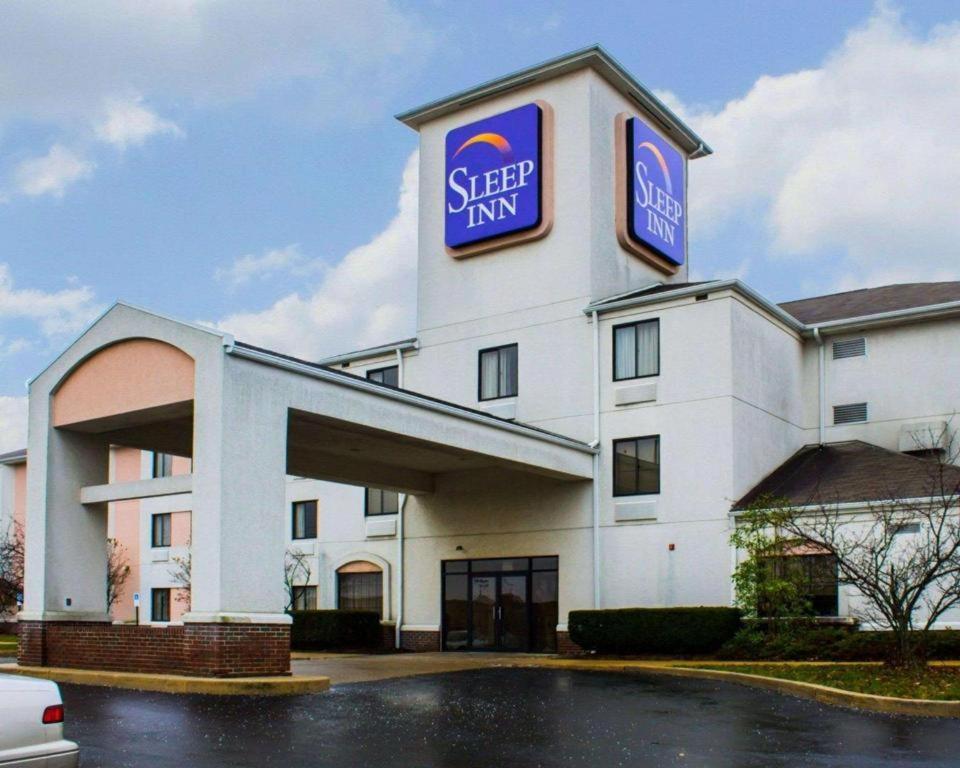
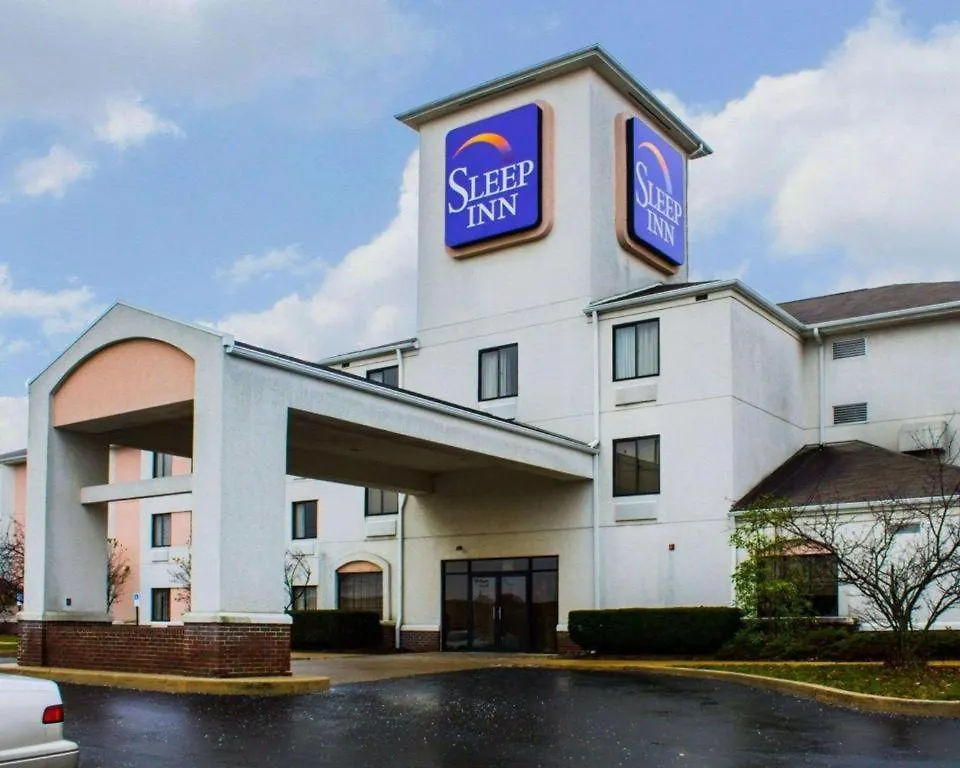
1. Sleep Inn Johnstown - Richland Town Center
Show on map


Just a few rooms left at the best rate!
fromUS$ 91
-
2. Western Front Hotel
Show on map


Just a few rooms left at the best rate!
fromUS$ 129
-
3. The Garrett Inn
Show on map


Just a few rooms left at the best rate!
fromUS$ 126
-
4. Mercersburg Inn
Show on map


Hurry – almost gone at this price!
fromUS$ 299
-
5. The Copperhead Lodge & Resort
Show on map


Hurry – almost gone at this price!
Best Premium Stays
These properties stand out for elevated settings, distinctive character, or resort-level facilities - suited to travelers who want to use their accommodation as a destination in itself alongside the broader Appalachian landscape.
- Show on map
Best price guarantee
-
7. Stonegate
Show on map


Hurry – almost gone at this price!
fromUS$ 312
-
8. The Kaaterskill
Show on map


Rooms filling fast – secure the best rate!
fromUS$ 350
-
9. Chateau Du Lac
Show on map


Rooms filling fast – secure the best rate!
fromUS$ 270
-
10. Trails End Inn
Show on map


Rooms filling fast – secure the best rate!
fromUS$ 166
Smart Travel & Timing Advice for the Appalachian Mountains
October is the single most competitive booking month across the entire Appalachian range - fall foliage peaks between early and late October depending on elevation and latitude, and properties from Georgia to New York fill up weeks in advance. Prices during peak foliage can spike significantly compared to the same properties in September or November. Spring (late April through May) is the second busiest window, driven by wildflower blooms and ideal hiking temperatures, but it offers more last-minute availability than October. Summer is popular in the southern Appalachians (Georgia, Tennessee, North Carolina) for waterfall hikes and river tubing, while the northern Catskills see heavy July and August traffic from New York City visitors. Winter is genuinely underrated for travelers who don't mind cold - prices drop, crowds thin, and properties like Pine Mountain State Resort Park and the Catskills options remain open with far fewer guests competing for trailhead parking. A minimum stay of 3 nights makes logistical sense for most Appalachian trips, given drive times to reach the region from major airports and the density of activities available once there. For the best rate-to-availability balance, target early June or mid-September - both periods offer strong hiking conditions, smaller crowds, and lower accommodation costs than peak season.